Published May 2, 2026
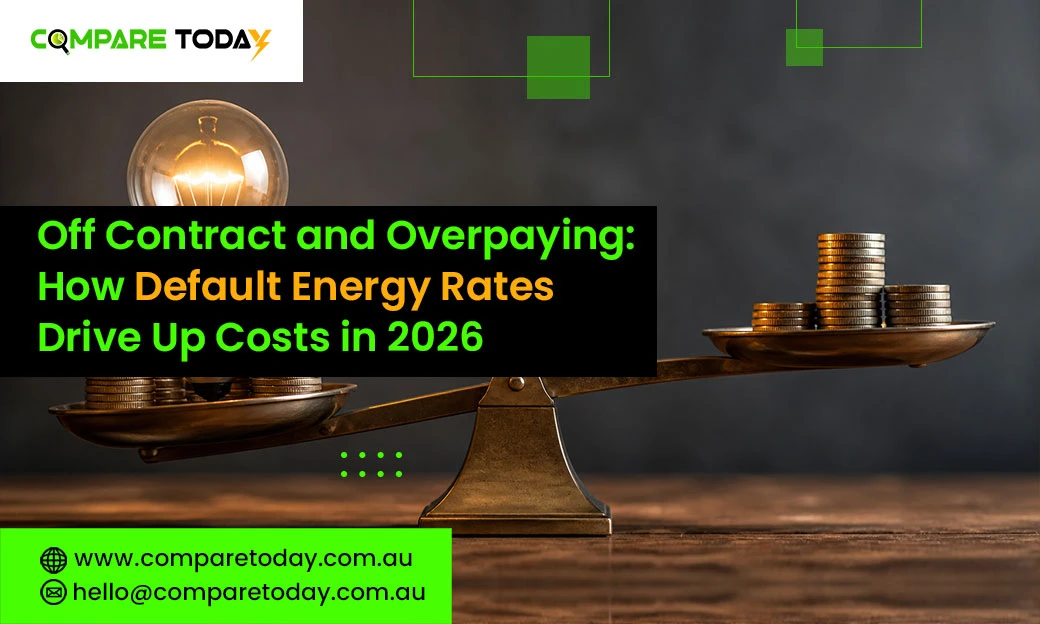
It is common for many Australian companies to unknowingly pay more for their energy needs without realizing it. As an energy contract comes to an end and fails to be renewed, the company account does not close down. The default rates from the energy retailer will automatically apply, which are normally substantially higher compared to market negotiations. Many times, the switch might go unnoticed since companies fail to monitor their contract agreements.
What Are Default Energy Rates?
Default rates refer to the standard pricing structure charged by energy providers in the absence of active contracts. The default rates act as a safety net and not competitive offerings. They are usually less competitive than market negotiations and have fewer attractive conditions. These default rates could also experience frequent changes with little notice to the business, resulting in increased energy costs. Upon expiry of contracts, energy providers have no obligation to provide the same discounted rates.
How High Can Default Rates Go?
Default rates can be considerably higher than what can be negotiated through competition in the marketplace. This could mean that what was once a company that enjoyed competitive rates would now suddenly have its monthly costs go up. Moreover, since default rates are an ongoing matter, the more time passes without taking action, the more the costs will pile up.
How Your Business Can Avoid Default Rates and Incurring Extra Charges
Default rates are almost always bad for any business. They are not only costly but easily slipped into while remaining unnoticed until the bill is received. In some cases where companies are locked into default rates, energy consultants can help re-negotiate and even switch service plans, resulting in significant savings.
How Your Business Stands to Gain from Working with an Energy Broker
When using the services of an energy broker including Compare Today, the burden of managing your business energy needs will be relieved. Our experts will work to negotiate competitive rates based on actual consumption from several retailers.
Our energy consultants will keep an eye out for your expiring contracts, analyse competing offers in the market, drive down costs with competitive pricing and assist you in steering clear of expensive default rates. With a representative constantly looking out for your interests, there is no need for you to keep track of your contracts or shop around for plans and retailers.
Frequently Asked Questions About Default Energy Rates Australia
What happens when my energy contract expires in Australia?
When your energy contract expires, your provider usually moves you to default energy rates. These rates are often higher than negotiated plans and can increase your business energy costs if not reviewed promptly.
Are default energy rates more expensive than regular plans?
Yes, default energy rates in Australia are typically more expensive than market offers. They are standard rates set by retailers and usually lack discounts, making them less competitive for businesses.
How can businesses avoid paying default energy rates?
Businesses can avoid default energy rates by monitoring contract expiry dates, comparing energy providers regularly and switching to competitive plans before the contract ends. Working with an energy broker can also help secure better rates.
Take control of your energy costs and avoid default energy rates Australia with Compare Today, follow us on LinkedIn for updates and advice.